The mark the listing photos missed
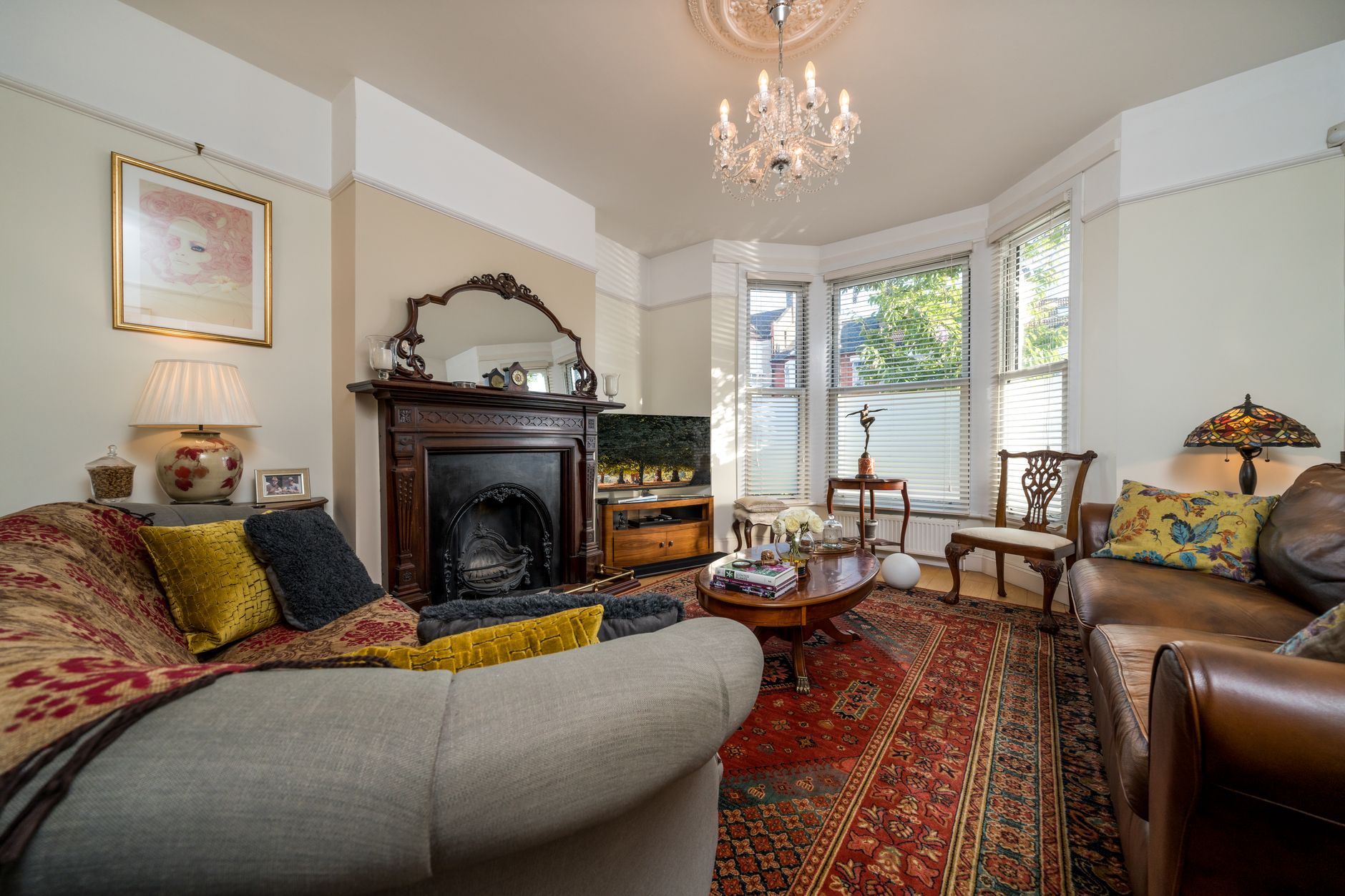
You are in escrow on a house in Bellflower, and on the second walk through you notice it: a faint brown line on the ceiling next to the fireplace, or a patch of paint that looks newer than the rest of the wall. Maybe the home inspector wrote something like moisture staining near chimney and moved on. Now you need to know whether it is an old leak that was fixed, a live one, or the visible end of something larger.
That is a question for a Level 2 chimney inspection, and the time to ask it is while the price of the house can still move.
Why a basic look is not enough here
NFPA 211, the standard chimney inspectors work from, sets out three levels of inspection. The lightest suits a chimney that has not changed hands and has not given trouble. A change of owner is one of the cases where the standard expects more, and a water mark strengthens the case: water damage tends to hide inside the flue, in the attic and behind the brick, which are the places a basic look does not reach.
At Level 2 we put a camera up the full height of the flue and record it, climb into the attic or crawl space wherever the chimney passes through, and go over the roof side closely. For a house you are buying, that tells you where the water came from and how far it got. On our price list, a Level 2 inspection is $415.
What we look for when there is a stain
A buyer's Level 2 with a water mark follows the water:
- In the room: the stain, the drywall under it, the firebox walls and the damper. Rust on the damper and white powder on the firebox bricks both mean water has been coming down the flue.
- In the attic: the framing around the chimney. Dark or soft wood beside the brick says the leak has run for more than one winter.
- In the flue: cracked tiles, gaps at the joints, damp smoke chamber walls. Water in the flue can come from an open top or soak through from outside.
- On the roof: the flashing on every side, the crown, the cap and the brick faces. Flaking faces and white streaks show where water has been soaking through.
A fresh coat of paint over the mark does not hide what is above it. The framing in the attic keeps the record.
What the report gives you
The report names each finding and shows a photo of it. For a house you are buying, three things matter most:
- Whether the leak is still active, or was fixed and has stayed dry.
- Which part let the water in.
- What the fix is, and what it costs where we have a set price.
If the seller says the leak was repaired, the report can show whether the repaired part is holding. If they did not know about it, the report gives you facts to ask for a repair or a credit.
What decides the next step
The findings decide it. A small flashing failure caught early can sit near the low end of a leak repair, which runs from $590 to $3,550 on our list. A chimney with a cracked crown, open joints and damp framing sits higher, and some of that work has no set price; we put a figure on it in writing once we have seen it. Where the chimney needs a cap, that is quoted after we measure the flue.
With the report in hand, the usual paths are a seller repair before close, a credit, or a change in price. We can quote the repairs in writing so both sides argue from the same numbers. To book the inspection, use the quote form with the property address, the agent who can open the house, and the names of anyone who should be copied on the findings.
Who should be there
You do not have to be. We need the inside, the attic hatch and the roof, which the listing agent can usually arrange. If you can come, it helps to stand in the attic with us and see the framing yourself. Either way, the findings go to whoever booked and to anyone they ask us to include, such as their agent.
What the inspection will not do
It will not tell you about the rest of the roof. If the water came from shingles away from the chimney, we say so, and a roofer is the right next call. It also does not replace the general home inspection. It goes deeper on one part of the house, the part general inspectors most often flag and hand on.
For sellers too
If you are selling a Bellflower house and know the chimney leaked once, a Level 2 before listing lets you show buyers what was fixed and that it is holding. That can take the stain off the table before a buyer's inspector finds it. Our home sale chimney inspection page covers both sides of a sale, and agents can read how booking works for real estate agents.
Book it while there is still room to ask
Hammond Chimney Solutions inspects chimneys for buyers and sellers across Bellflower, Lakewood and Carson. The Level 2 inspection page sets out the visit. For the repair side, see what a chimney leak repair costs.
If the house you are buying has a mark by the fireplace, reach us from the contact page with the address and the agent's name, and we will set up the inspection.
Want the Leak Found on Your Own Roof?
Hammond Chimney Solutions starts at the mark inside, climbs to the crown, cap and roof joint, and shows you the entry point in photos. Visits run from Bellflower to Lakewood, Carson and the cities around them.